
304 vs. 316 Stainless Steel: What Every Shower Door Buyer Must Know?
Are you worried about your shower door hardware rusting after just a few months? It is a common frustration for property owners, but knowing the right steel makes all the difference.
For most shower enclosures, 304 stainless steel offers the perfect balance of corrosion resistance and affordability. While 316 stainless steel provides extra protection for extreme coastal environments, 304 is the reliable industry standard for high-quality, long-lasting bathroom hardware in standard residential and commercial settings.
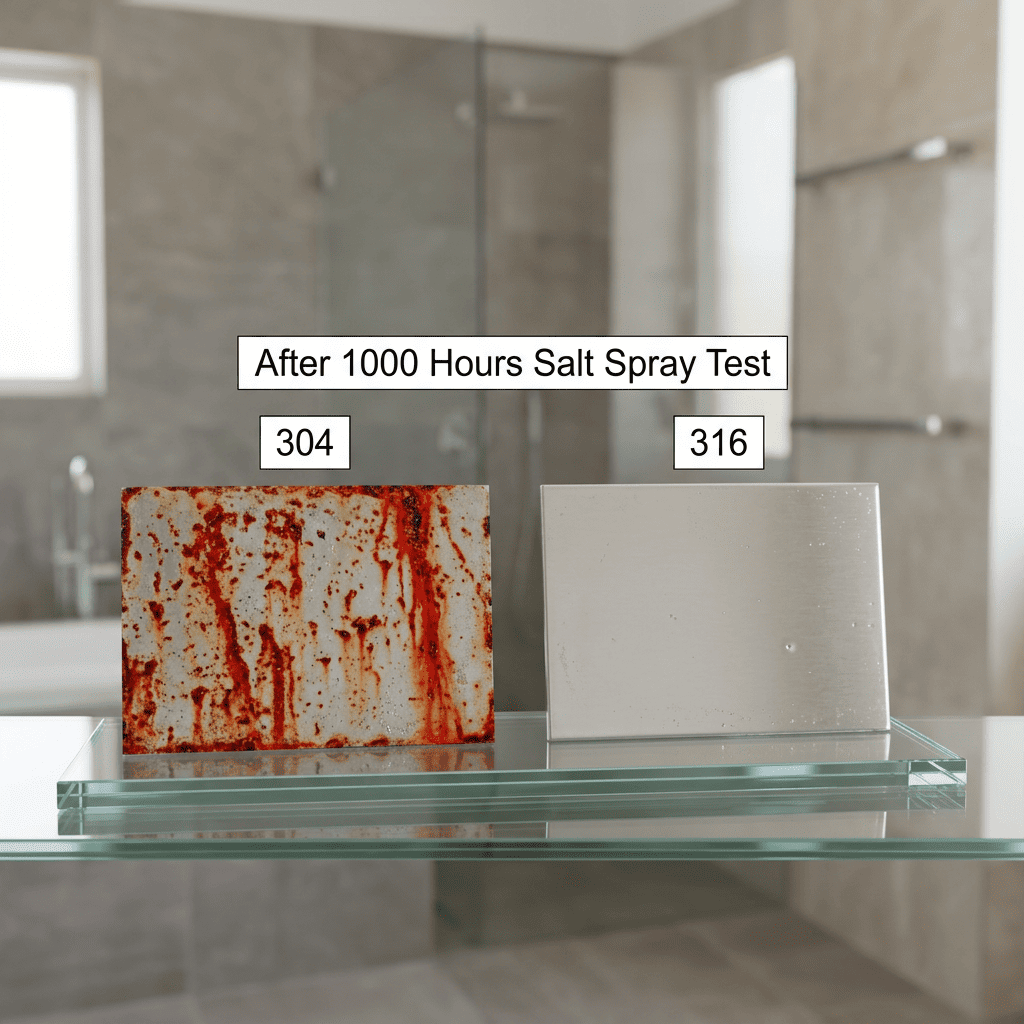
After 17 years in the shower door industry, I have seen many projects suffer because the wrong metal grade was chosen for the environment. Hardware is the soul of the shower enclosure; it holds the weight, creates the movement, and defines the aesthetic. Let’s dive into why choosing the right grade matters for your budget and your peace of mind.
Should I use 304 or 316 stainless steel?
Do you feel overwhelmed by the technical specifications for your bathroom renovation or construction project? Choosing the wrong material can lead to visible rust stains that destroy the look of your beautiful new shower.
Use 304 stainless steel for most indoor environments where the hardware is not constantly exposed to harsh saltwater air. Use 316 stainless steel only if you are building in a high-salt coastal area or a facility with heavy chemical cleaning agents, as it offers superior resistance to pitting and corrosion.
At DFN shower door, I always guide my clients based on their project location. 304 stainless steel is known as the "standard" food-grade steel. It contains chromium and nickel, which give it a beautiful, polished finish that resists everyday water splashes perfectly. In a normal home or hotel, it stays bright and clean for years.
316 stainless steel includes an extra element called molybdenum. This addition changes the internal structure of the metal to resist chloride. If your project is located within a few miles of the ocean, the salt in the air can actually eat away at 304 steel. That is when we suggest moving up to 316. If your project is inland, 304 is more than enough to handle the job.
| Feature | 304 Stainless Steel | 316 Stainless Steel |
|---|---|---|
| Corrosion Resistance | High (Great for most homes) | Superior (Best for coastal) |
| Cost | Lower / More Affordable | Higher |
| Durability | Excellent for indoors | Best for harsh environments |
| Molybdenum Content | No | Yes (Adds salt resistance) |
What type of stainless steel is best for showers?
Are you struggling to find a hardware supplier that balances premium quality with cost-effective pricing? You need a solution that protects your reputation without breaking your project's budget.
304 stainless steel is generally the best choice for shower enclosures. It provides high durability, a luxury appearance, and excellent resistance to water exposure at a lower cost than 316, making it the smart, professional choice for the majority of residential and hotel bathroom builds.
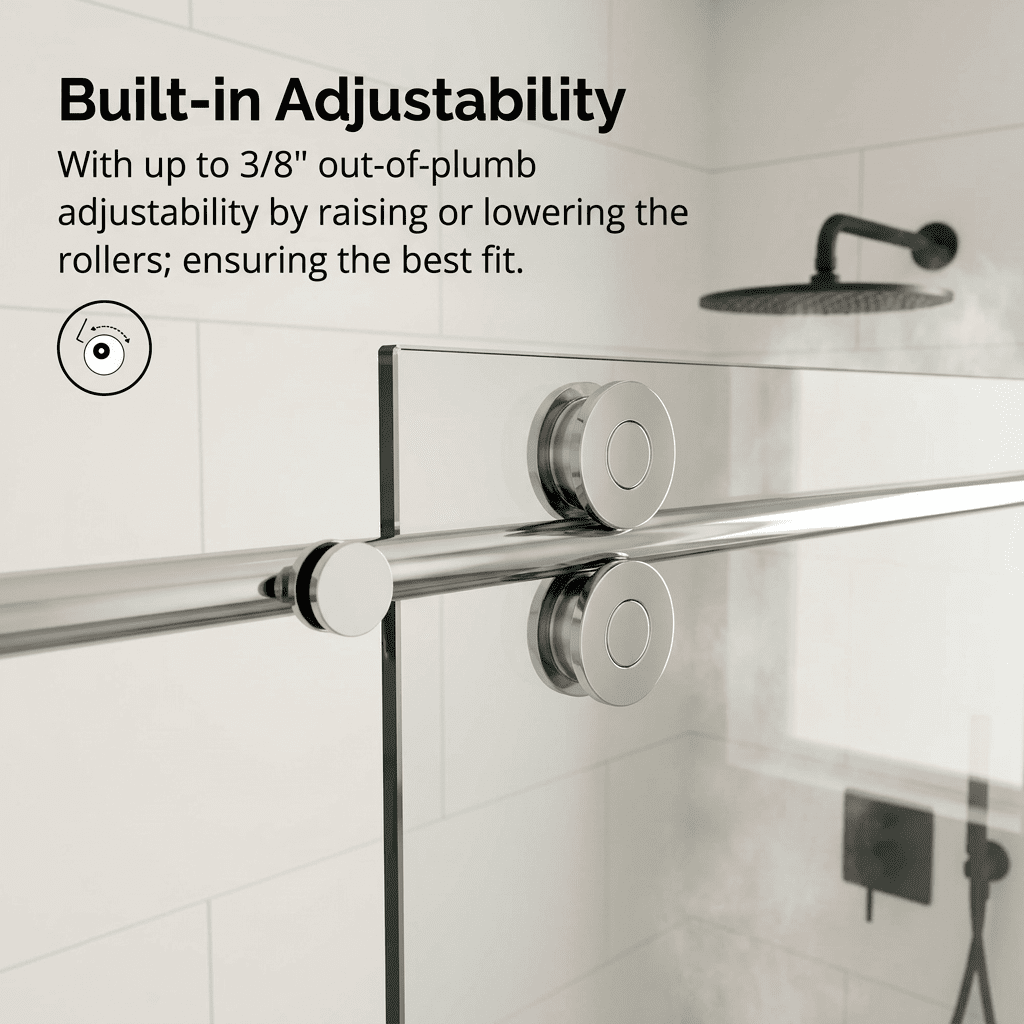
In my experience running a factory, I see the best results when we use 304 for standard projects. It is a workhorse. It holds up well against humidity and common bathroom cleaners. Because we manufacture over 220,000 units a year, we know how to machine 304 steel to perfection. We use CNC auto cutting to ensure every bracket and hinge fits exactly right.
The goal for any developer or contractor is to avoid "callback" issues. You want to install the hardware once and never hear about it again. 304 steel is perfect for this. It looks premium, it holds the glass securely, and it doesn't leave rust streaks on tiles. For 95% of our clients in the US and abroad, 304 is the reliable, high-performing choice that keeps their customers happy.
What are the disadvantages of 316 stainless steel?
Are you tempted to over-specify your project just to be "safe"? You might be paying for features you simply do not need, which can hurt your bottom line unnecessarily.
The main disadvantage of 316 stainless steel is its higher cost. Because it contains specialized alloys, it is more expensive to produce and purchase. It is also overkill for standard environments, meaning you pay for a premium level of protection that provides no visible benefit in a typical inland bathroom.
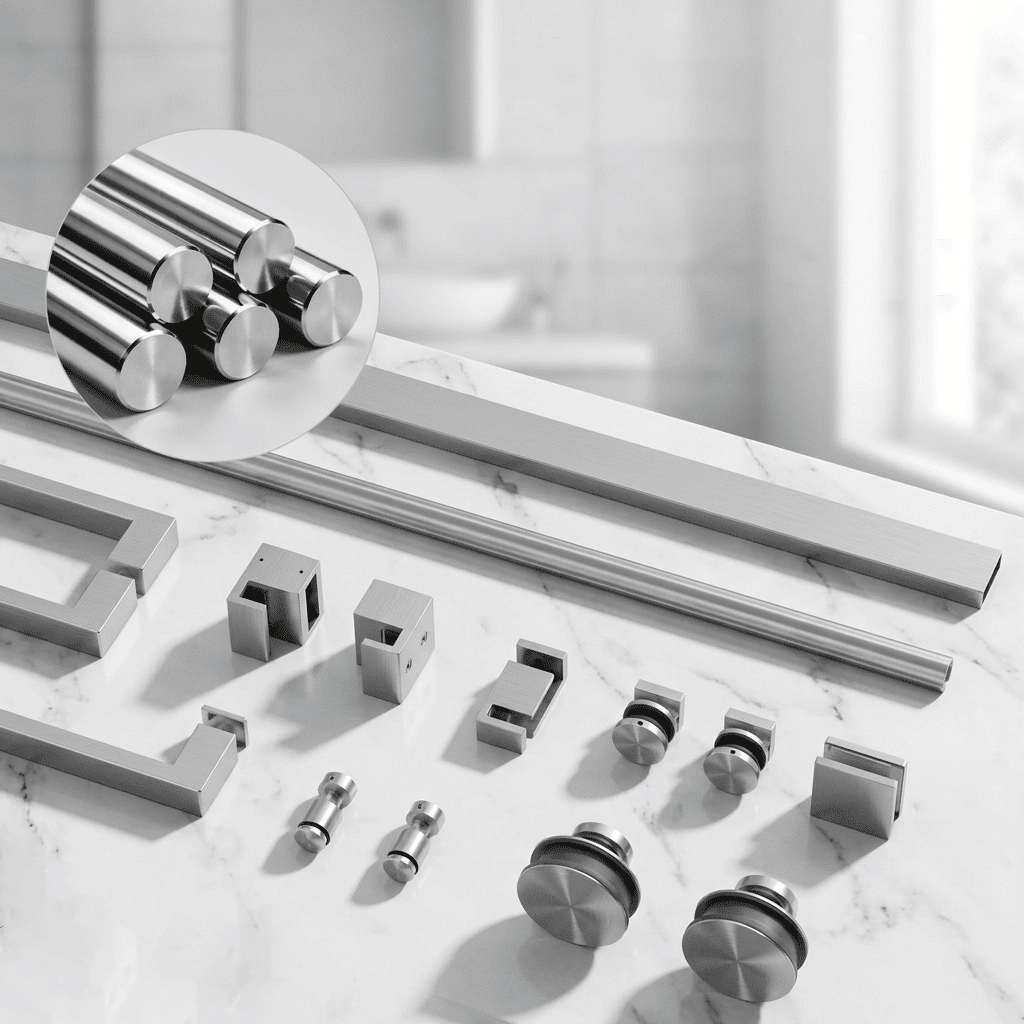
When developers ask me about 316, I have to be honest with them. Unless the building is literally on the beach, 316 is a waste of budget. You are buying material that is engineered to fight off extreme environmental threats that simply aren't present in a guest bathroom in Texas or a residential unit in a city.
Furthermore, 316 is often slightly harder to work with during the fabrication process because of its specific chemical composition. This can sometimes lead to longer production times or higher tooling costs. For a contractor managing a timeline, sticking to 304 is faster and cleaner. You get a product that is perfectly suited to the job. Don't let a supplier talk you into 316 unless your project specifically requires that level of extreme protection.
What are the disadvantages of 304 stainless steel?
Are you worried about the long-term performance of your shower hardware? It is smart to look for potential flaws so you can plan your maintenance properly.
The primary disadvantage of 304 stainless steel is its vulnerability to chloride-based corrosion. If exposed to heavy salt air or strong pool chemicals, it can develop rust pits or dark spots over time. It is not designed to survive in extreme, salt-heavy environments without regular cleaning.
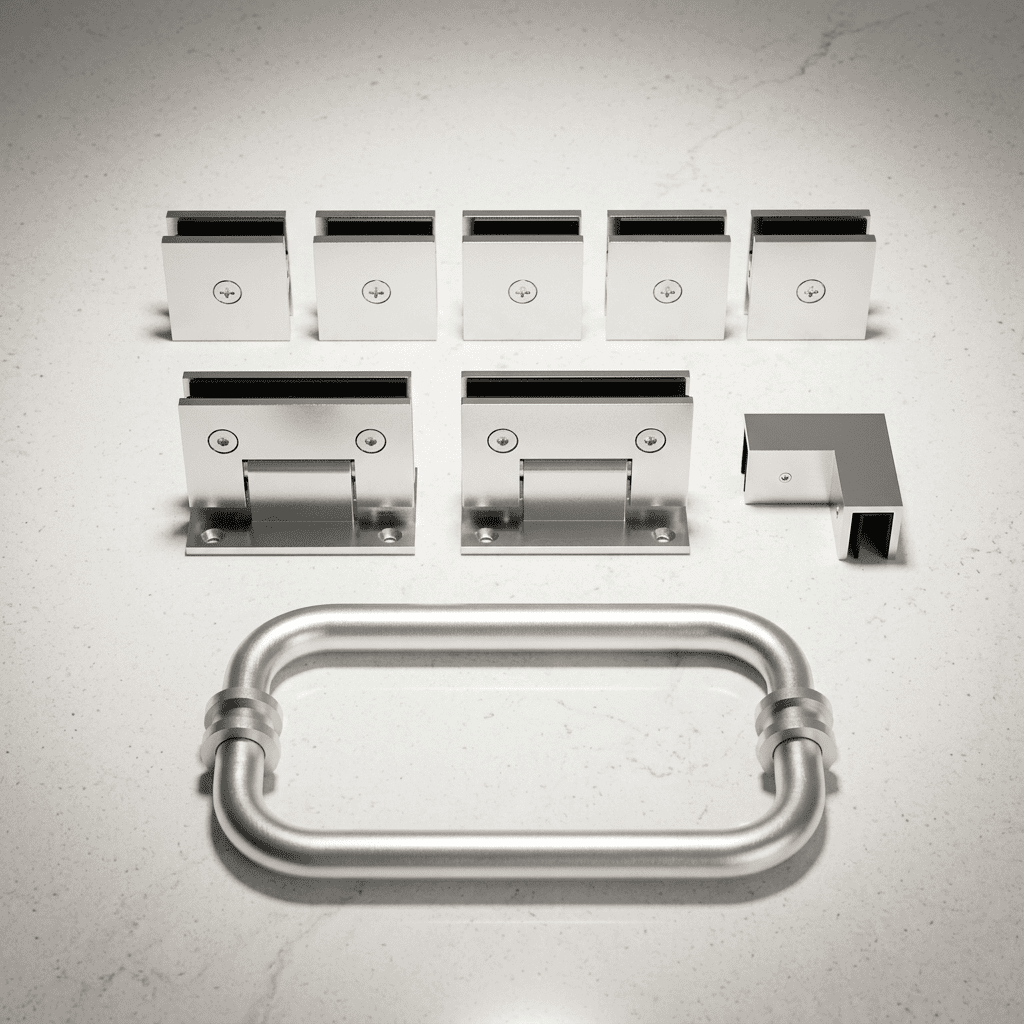
I always tell my clients that maintenance matters. 304 stainless steel is incredibly tough, but it is not magic. If you are building a boutique hotel right on the Florida coast, 304 will eventually show signs of stress if it isn't wiped down occasionally. The salt in the air is constant. It can settle on the surface of the hardware and eventually break down the protective chromium layer.
However, this is only an issue in very specific, harsh locations. For most of my clients, 304 works perfectly. The key is to avoid harsh, acidic cleaners. Even 316 can be damaged by the wrong cleaning chemicals. I tell my clients to use mild soap and water to clean the hardware. This simple step keeps 304 looking like new for decades. It is a high-value, low-risk material that makes every project look like a high-end luxury upgrade.
Conclusion
Choose 304 stainless steel for its perfect balance of performance and value in most showers, reserving 316 only for extreme, high-salt coastal environments to keep your project on budget.