
Are you tired of wiping water stains off your shower door hardware every day? Choosing the wrong finish can turn your beautiful bathroom into a high-maintenance nightmare.
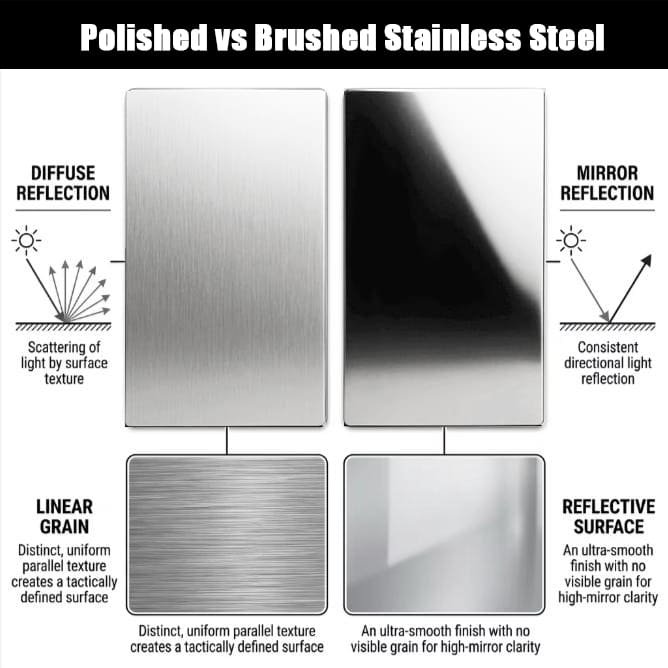
Brushed stainless steel lasts longer and looks cleaner in bathrooms because its textured grain naturally diffuses light to hide water spots, scratches, and fingerprints. Polished stainless steel is highly reflective and smooth, making every scratch and dried mineral stain stand out instantly.
In my 17 years running DFN shower door in Foshan, I have manufactured shower enclosures with both finishes for hotels and residential projects worldwide. Let me share the actual differences in durability, maintenance, and lifetime costs to help you make the right choice.
What is better, brushed or polished stainless steel?
Do you want a clean bathroom but lack the time for daily polishing? Choosing the wrong metal finish will make your shower look dirty and cheap within days.
Neither is universally better, as brushed stainless steel is best for low-maintenance, high-traffic spaces that need to hide wear, while polished stainless steel is better for ultra-luxury designs that need a bright, reflective mirror look.
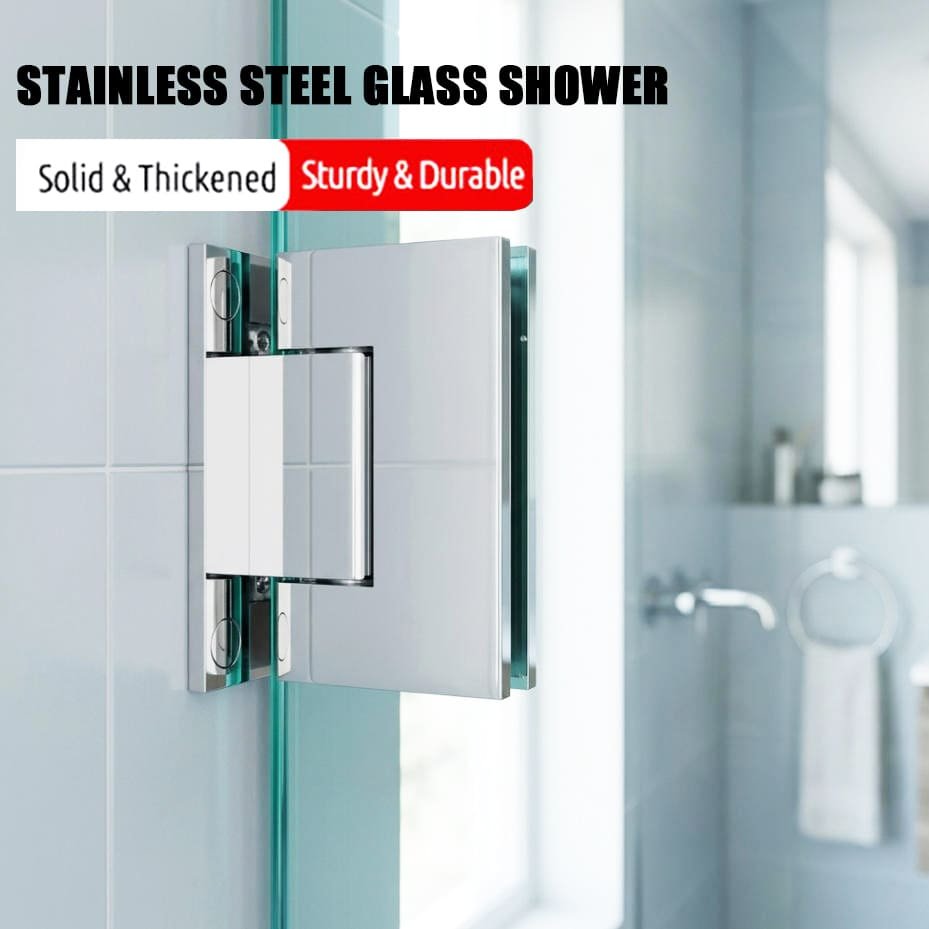
The choice comes down to grain structure and how the surface handles light. In our Foshan factory, we make brushed stainless steel by running raw metal through mechanical abrasive wheels. This process leaves a parallel grain pattern on the surface. These microscopic lines spread out light rays in multiple directions instead of reflecting them directly. This makes the metal look soft and matte.
Polished stainless steel goes through a different buffing process that removes all surface texture. It leaves a perfectly flat, mirror-like face that bounces light directly back to your eyes. While this polished surface looks beautiful and expands small spaces, it shows every tiny fingerprint oil and water smudge. For boutique hotel owners like Sarah Williams, guests expect a spotless room, so polished hardware increases the cleaning workload for hotel housekeepers.
| Finish | Grain Pattern | Light Effect | Surface Texture |
|---|---|---|---|
| Brushed | Parallel unidirectional lines | Diffuses light (soft glow) | Textured (feel the grain) |
| Polished | No visible grain lines | Reflects light (mirror shine) | Slick and smooth |
Is brushed stainless steel good for a bathroom?
Are you worried that your heavy-use bathroom fixtures will look scratched and old too quickly? Installing delicate, high-gloss metals will lead to constant scrubbing and early replacements.
Yes, brushed stainless steel is excellent for bathrooms because its unique grain pattern hides scratches, resists smudges, and is easy to clean using simple household solutions like soapy water and microfiber cloths.
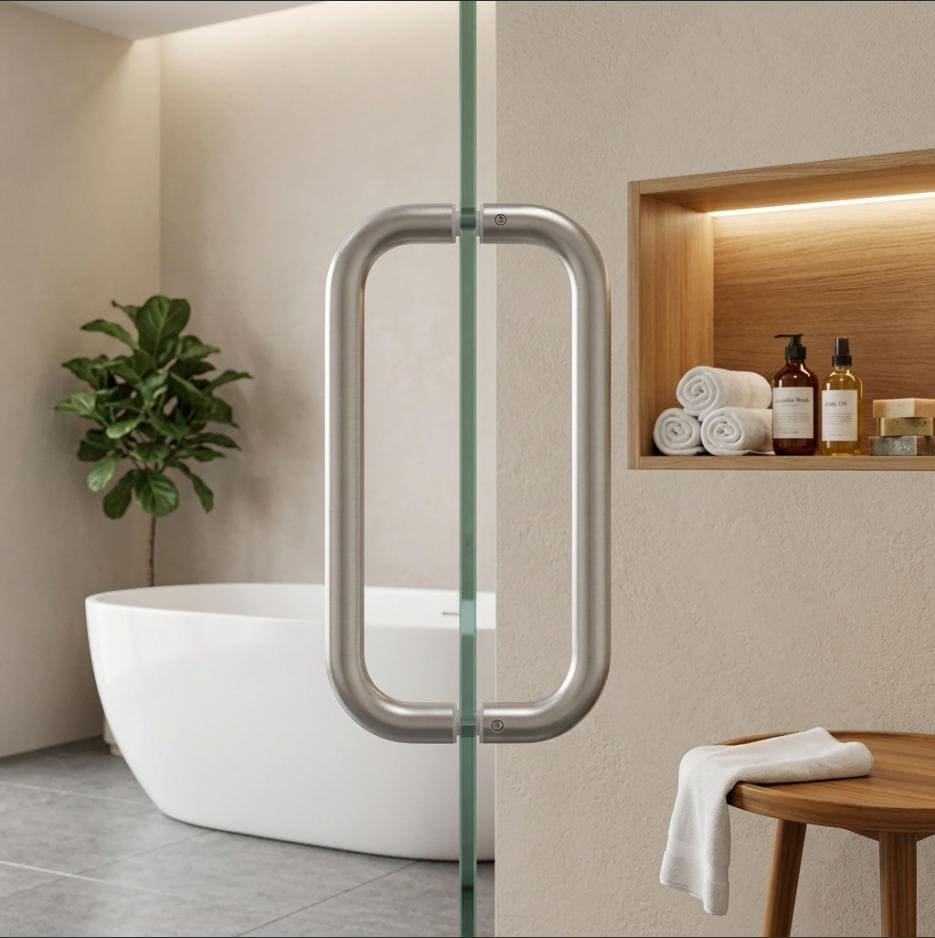
Brushed stainless steel is highly practical in wet environments. Water contains minerals like calcium that leave white spots when they dry. On a polished surface, these spots stand out clearly. On a brushed surface, the parallel lines hide these white spots.
If you need to clean brushed hardware, you must follow the direction of the grain. Our team recommends using mild dish soap mixed with warm water. You should spray the surface and wipe in an 'S' pattern with a soft microfiber cloth to prevent streaks. For tough hard water deposits, distilled white vinegar works wonders. For regional contractors like Tom Martinez, brushed hardware is a lifesaver. It does not show dusty fingerprints during the busy installation phase, saving his workers hours of tedious polishing before handover.
| Action / Stain | Cleaning Method for Brushed | Cleaning Frequency |
|---|---|---|
| Daily Dust & Oils | Wipe in an 'S' pattern with microfiber cloth | Once a week |
| Hard Water Spots | Spray with distilled white vinegar and wipe | Once a month |
| Tough Dirt / Particles | Apply baking soda paste gently along the grain | As needed |
Which stainless steel is best for a bathroom?
Are you afraid that your expensive shower hardware will rust and pit in a damp bathroom? Using cheap utility-grade steel will cause structural failure and ruin your investment.
Grade 304 stainless steel is the best standard for typical indoor bathrooms, while Grade 316 stainless steel is the ultimate option for steam showers and coastal properties because it contains molybdenum to prevent rust.
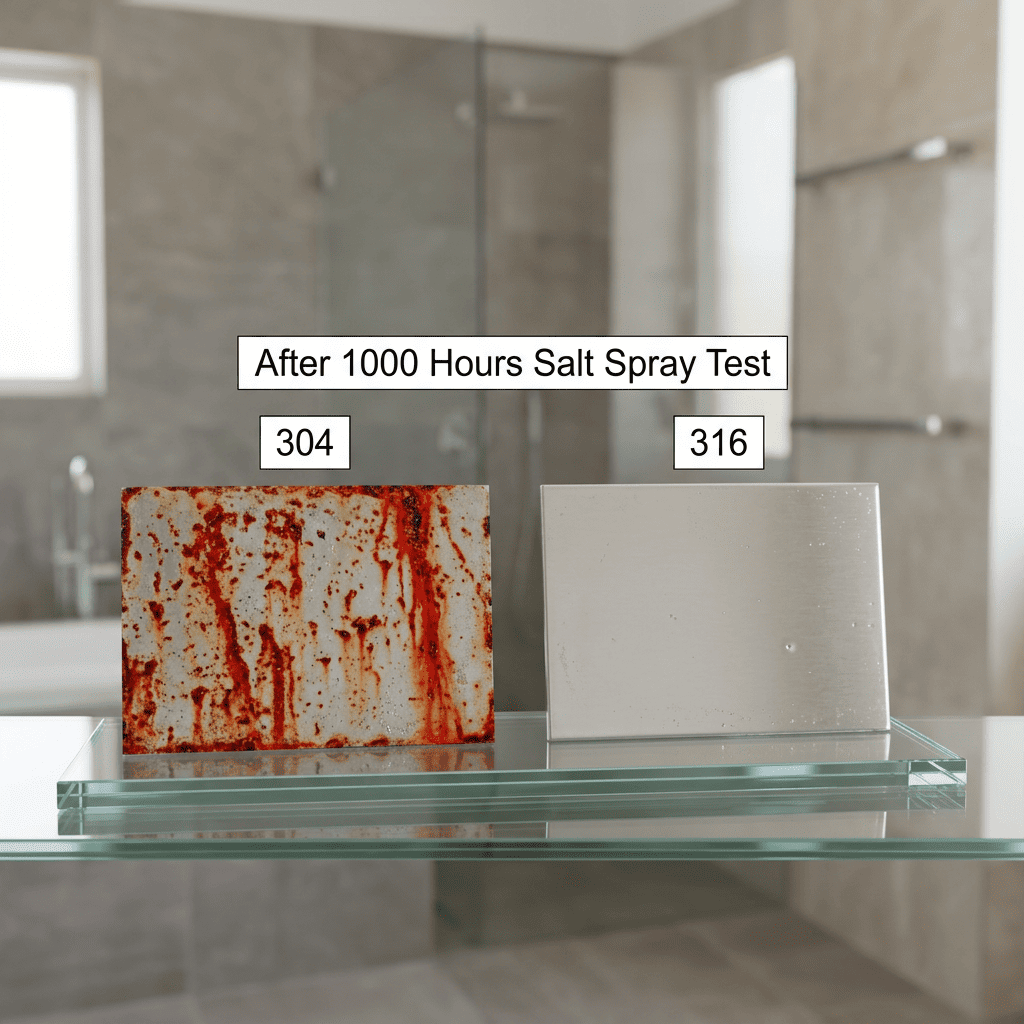
The internal chemistry of the steel is just as important as the surface finish. At DFN shower door, we never use low-grade metals like Grade 201 because they rust quickly when exposed to bathroom moisture. Instead, we manufacture our shower components using premium Grade 304 and Grade 316.
Grade 304 contains 18% chromium and 8% nickel, which provides fantastic resistance to oxidation and water exposure. This is the industry standard for high-quality residential showers. However, if you are a property developer like Mark Stevens building luxury condos near the ocean, you need Grade 316. Grade 316 includes 2% molybdenum. This specific chemical element prevents pitting and corrosion caused by salt air and pool chlorine.
| Steel Grade | Chemical Elements | Best Environment | Rust Resistance |
|---|---|---|---|
| Grade 201 | High Manganese, Low Nickel | Dry indoor rooms only | Low (will rust in showers) |
| Grade 304 | 18% Chromium, 8% Nickel | Normal home and hotel showers | High (very durable) |
| Grade 316 | 16% Chromium, 10% Nickel, 2% Moly | Coastal zones, steam rooms | Maximum (resists salt and chemicals) |
Is brushed stainless steel as good as stainless steel?
Are you confused by market terms and worried that brushed metals are just cheap coatings? Buying plated plastics instead of real metal leads to broken hardware and angry customers.
Yes, brushed stainless steel is real, solid stainless steel. The word "brushed" only refers to the mechanical surface treatment, meaning it retains the exact same strength, rust resistance, and durability as the raw metal alloy.
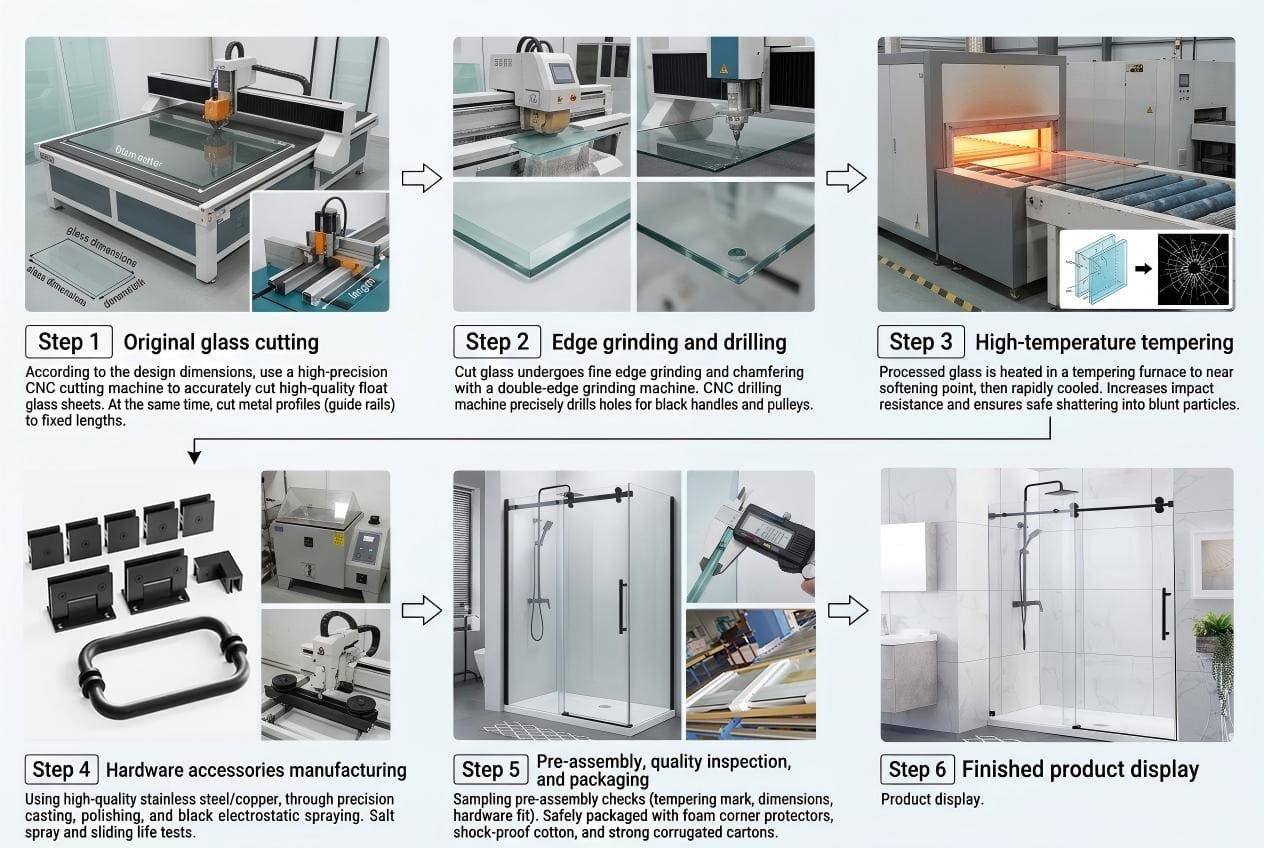
Some buyers think that brushed stainless steel is a spray-on coating or a cheap plating. This is incorrect. In our Foshan facility, we machine our shower brackets and handles from solid blocks of Grade 304 steel. The brushed finish is a mechanical texture worked directly into the solid metal itself. It is not a thin layer that will chip, peel, or bubble under hot water.
This solid structure is a huge selling point for regional distributors like John Parker. When John sells our solid brushed hardware, he knows it will not wear down to show a different color underneath. It offers the same high strength and reliable structural performance as a shiny polished piece, but with much better resistance to daily wear and tear.
| Metric | Solid Brushed Stainless Steel | Plated Zinc / Brass Alloys |
|---|---|---|
| Core Material | Solid Grade 304 or 316 Steel | Mixed zinc or copper alloys |
| Surface Layer | Mechanical texture (no coating) | Thin electroplated metal layer |
| Peeling Risk | Zero (impossible to peel) | High (can bubble or chip over time) |
| Product Lifespan | 20+ years in wet bathrooms | 3 to 5 years before showing wear |
Conclusion
Brushed stainless steel is the longest-lasting and most practical finish for bathrooms because its textured grain hides scratches and water spots while maintaining structural strength.