
Tempered Glass vs. Regular Glass: Why Certification Is Non-Negotiable for Shower Doors
Using non-certified glass in your shower project can lead to dangerous shattering, costly lawsuits, and ruined brand reputation. Protect your business and clients by choosing the right glass.
The difference is safety and processing: regular glass breaks into sharp, dangerous shards, while tempered glass is heated and cooled rapidly to make it four to five times stronger, breaking into harmless, small pebbles. Certified tempered glass is non-negotiable for shower doors to prevent severe injuries.
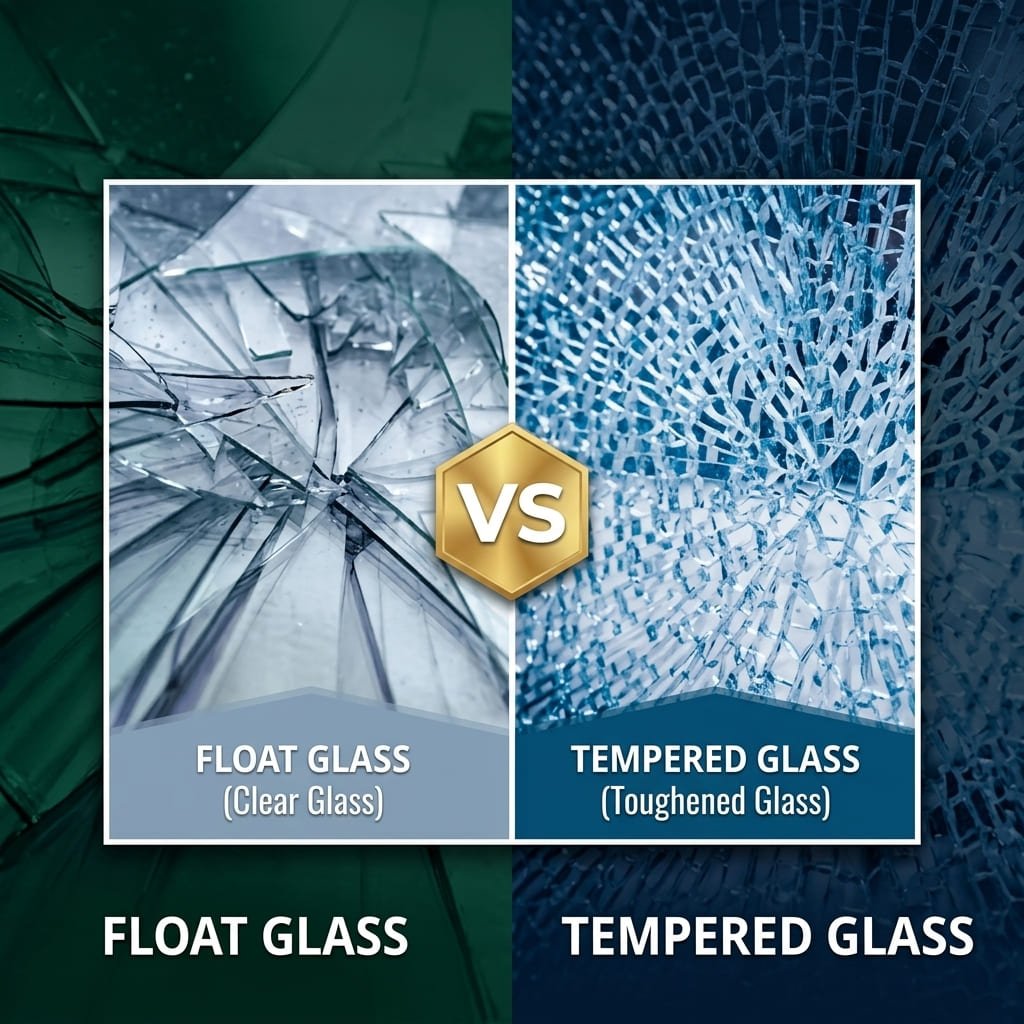
In my 17 years running DFN shower door in Foshan, I have seen many developers try to save a few dollars on non-certified glass, only to regret it deeply later. Let me share why certified glass is the only choice that makes sense for your business.
What are the disadvantages of tempered glass?
Do you worry about glass doors suddenly breaking or arriving in the wrong size? Uncertified tempered glass can ruin your project schedule and cause unexpected financial losses.
The disadvantages of tempered glass are that you cannot cut or alter it after tempering, it has slight optical distortion, and it can experience spontaneous breakage if it has nickel sulfide impurities or poor edge processing.
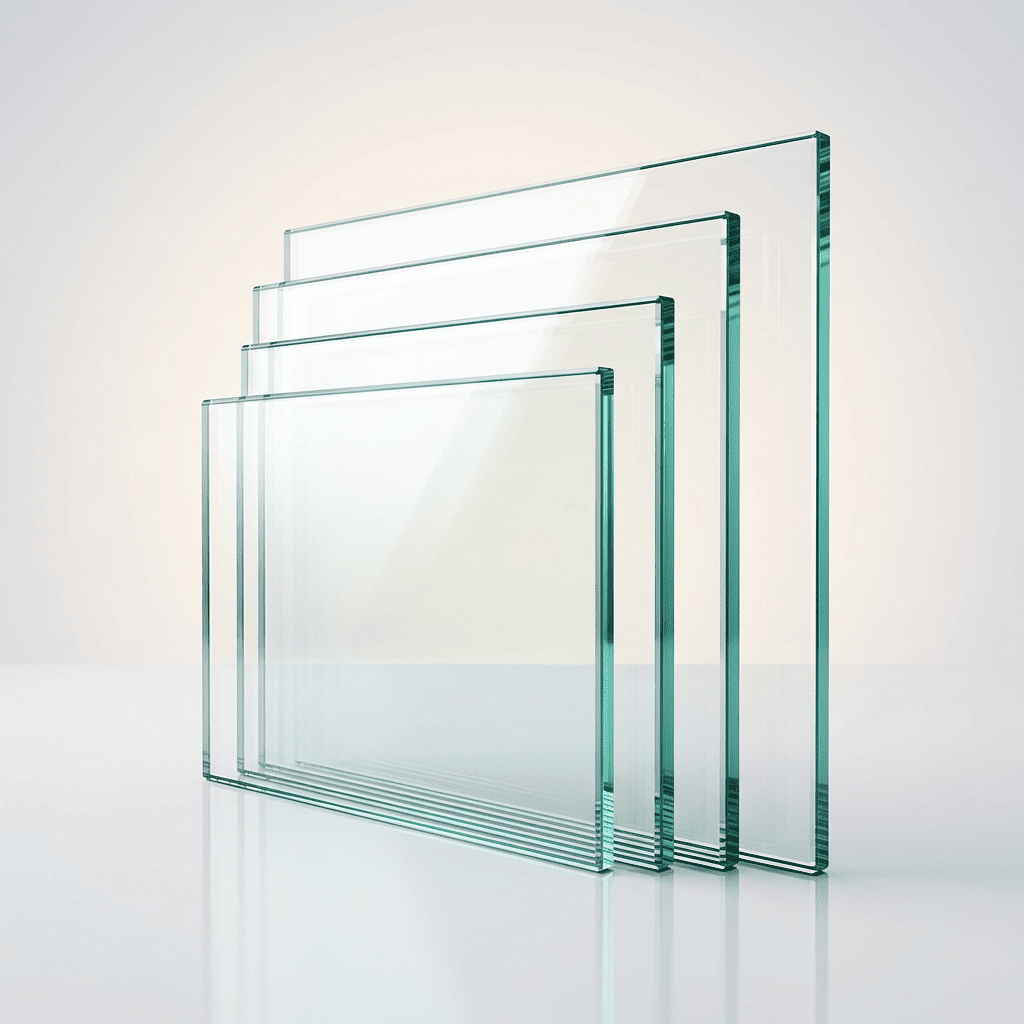
Although tempered glass is incredibly strong, it has specific traits that you must understand before buying. Once we heat the glass to 620 degrees Celsius and cool it quickly in our Foshan factory, the internal stresses lock in place. After this tempering process, you can never cut, drill, or trim the glass. If you try to trim even one millimeter off the edge, the entire sheet will instantly shatter into thousands of tiny pieces. This is why we provide free CAD drawings within one business day. We want to make sure your measurements are 100% correct before we start production. Another potential issue is spontaneous breakage. This happens when tiny nickel sulfide stones expand inside the glass over time, causing it to break without any impact. To prevent this, our factory uses strict heat-soak testing and meticulous quality control. We inspect the glass edges carefully because poor edge grinding creates micro-cracks. These micro-cracks can cause the glass to break during transport or installation.
| Disadvantage | Real-World Impact | How DFN Solves It |
|---|---|---|
| Cannot be cut on-site | Wrong sizes cannot be adjusted later | We give free CAD drawings in 1 business day |
| Spontaneous breakage | Sudden glass failure scares users | We use strict heat-soak testing and QC |
| Edge sensitivity | Dropping a corner will shatter the sheet | We use secure, reinforced packaging for transport |
Is tempered glass more durable than regular glass?
Are you tired of fragile products breaking during shipping or daily use? Choosing weak regular glass leads to constant replacements, high warranty costs, and unhappy clients.
Yes, tempered glass is significantly more durable than regular glass. It is four to five times stronger against physical impacts, resists high thermal temperature changes, and withstands the constant heavy use of busy hotel bathrooms.
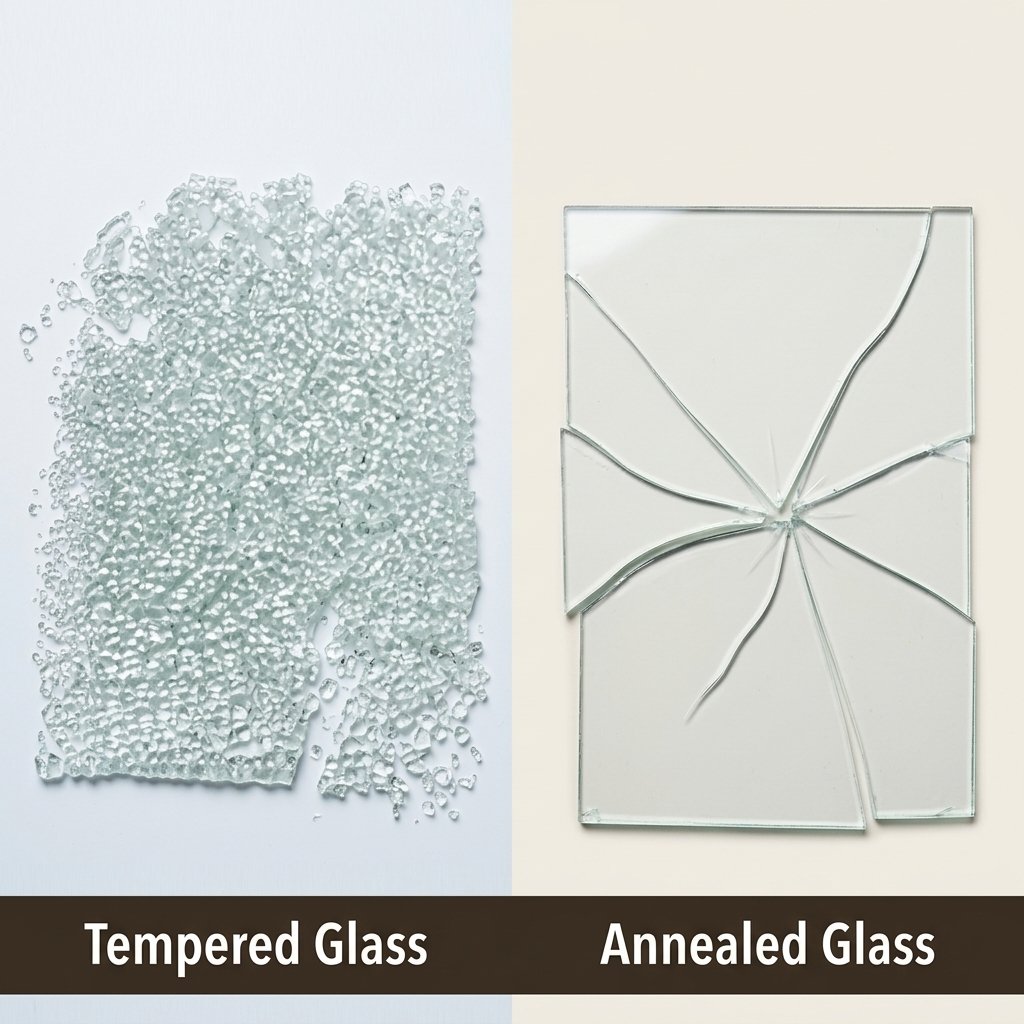
Regular annealed glass is simply too fragile for modern bathrooms. When regular glass breaks, it cracks into large, razor-sharp shards that can easily cause life-threatening injuries. This is why we never use it for our shower enclosures. Tempered glass undergoes a thermal tempering process that puts the outer surfaces into compression and the inner surfaces into tension. This engineering makes the glass highly resistant to bending and hard impacts. In our testing lab, we drop heavy steel balls onto our glass to prove its durability. It easily survives impacts that would instantly destroy regular glass. Additionally, tempered glass can handle sudden temperature changes up to 250 degrees Celsius. Regular glass will crack if you splash hot water on a cold pane. For boutique hotel owners like Sarah Williams, durability means lower maintenance costs and zero liability risks. We also apply a specialized Nano self-cleaning coating to our glass. This invisible layer protects the glass from hard water stains and chemical corrosion, making it even more durable over its lifespan.
| Feature | Tempered Safety Glass | Regular Annealed Glass |
|---|---|---|
| Impact Resistance | 4 to 5 times stronger | Very low, breaks easily |
| Thermal Stability | Resists up to 250°C changes | Cracks with sudden hot water |
| Breakage Pattern | Tiny, harmless dull pebbles | Large, razor-sharp shards |
| Liability Risk | Extremely low (certified safe) | Extremely high (dangerous) |
Do bathrooms require tempered glass?
Are you risking building code violations and massive fines on your construction site? Using uncertified glass in wet areas can fail inspections and halt your entire project.
Yes, international building codes strictly require tempered safety glass for all bathroom shower doors and wet areas. Any glass installed near wet surfaces or walk-through areas must carry official safety certifications to protect users from slips and falls.
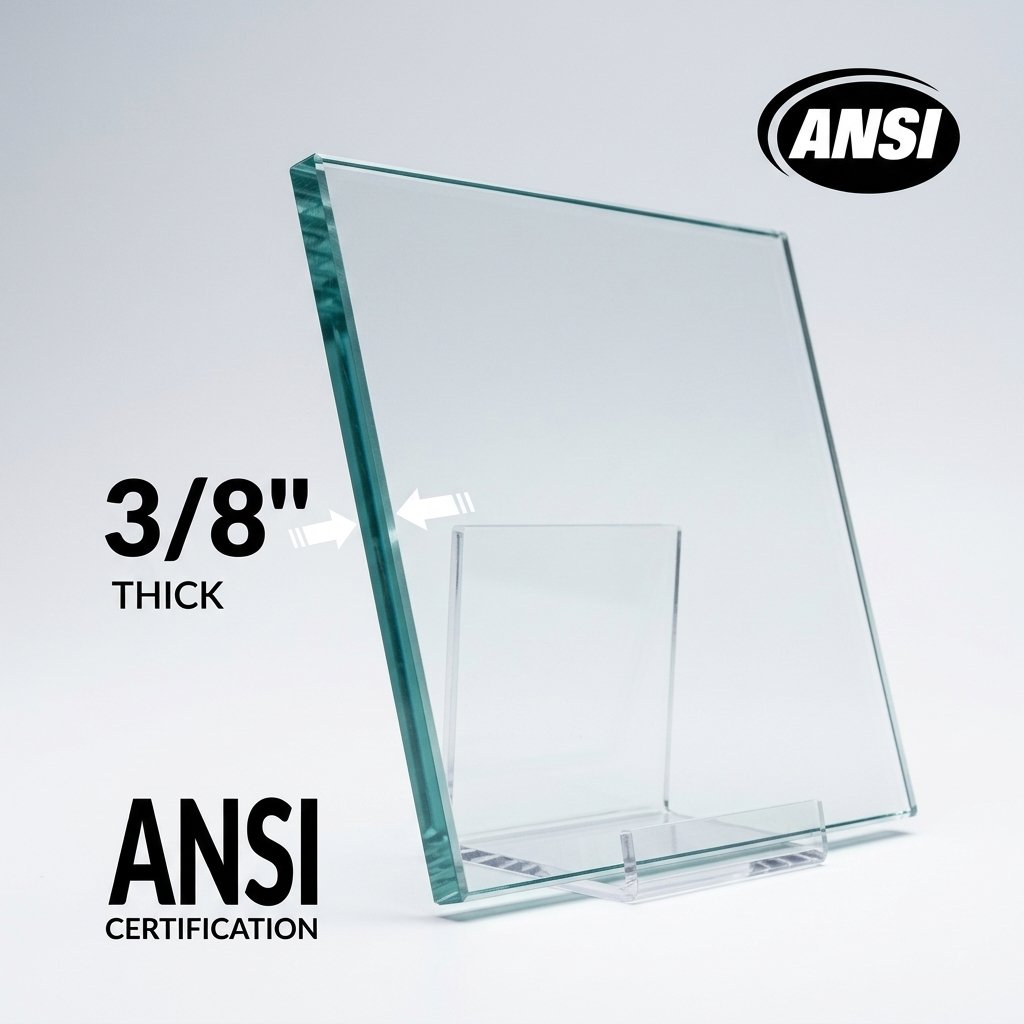
Building codes across the United States, Europe, and Australia are very clear on this rule. Every shower enclosure must use certified safety glass. If you install regular glass, you will fail your building inspection, and you will have to tear out the entire system. This mistake costs you time and money. Our tempered glass comes with global certifications including SGCC for North America, CE for Europe, and AS/NZS for Australia. We print the certification logo directly onto the corner of every glass panel. This permanent stamp proves to building inspectors that your project meets all safety laws. For regional distributors like John Parker, stocking certified glass is the only way to build trust with local contractors. Our products use heavy-duty aluminum and simple installation designs. This combination saves your workers 1.5 hours per unit, allowing you to pass inspections quickly and move to the next job.
| Region | Certification Required | Key Safety Standard |
|---|---|---|
| North America | SGCC | ANSI Z97.1 / CPSC 16 CFR 1201 |
| Europe | CE / EN | EN 12150 (Impact safety) |
| Australia | AS/NZS | AS/NZS 2208 (Safety glazing) |
| United Kingdom | BS | BS 6206 (Impact performance) |
Conclusion
Always choose certified tempered glass for your shower doors to ensure maximum durability, meet building codes, protect your users, and avoid costly legal risks.